





Tippsy Sake Blog
Sake
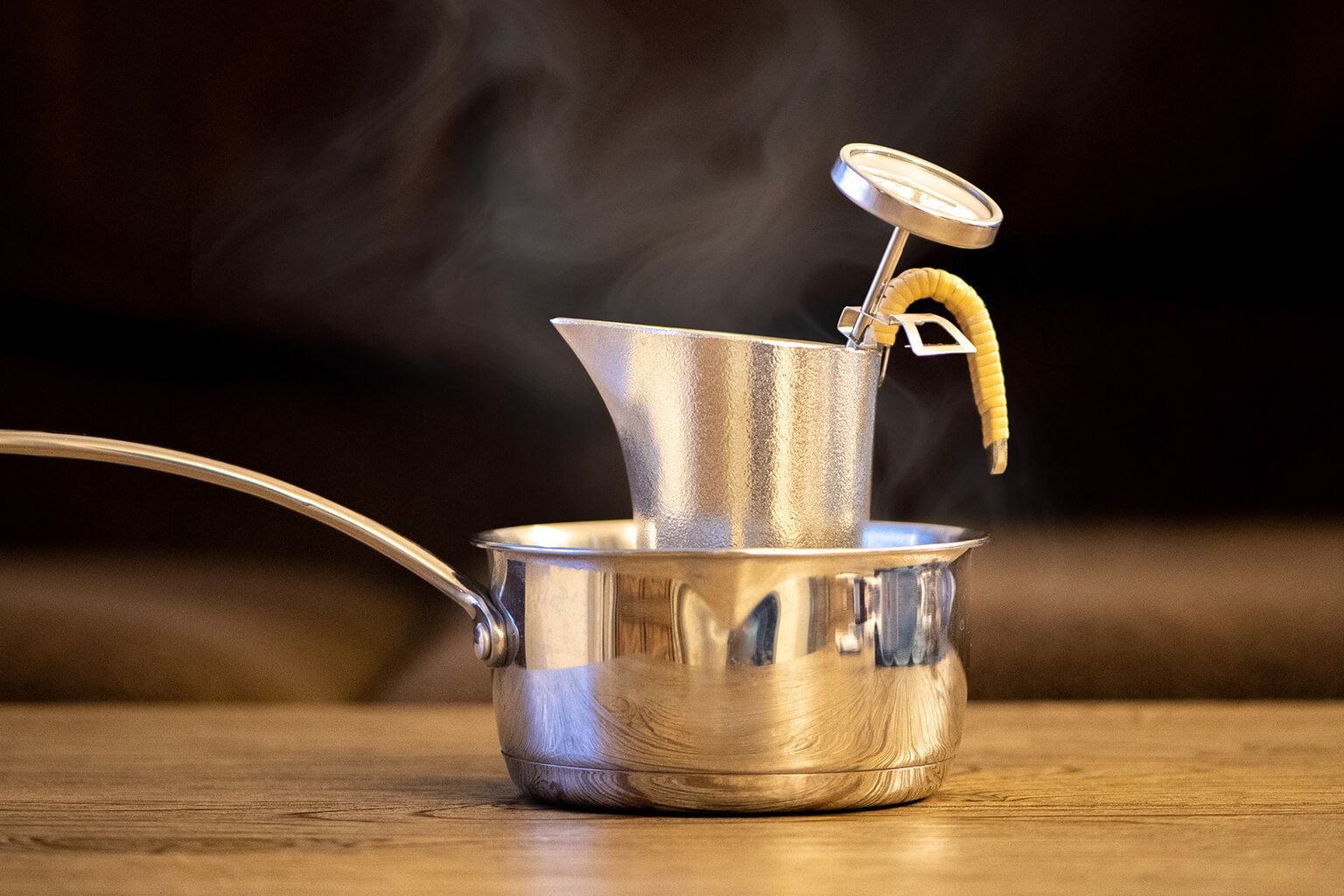
Fact 4: You Should Not Make Sake Piping Hot
If you’ve just started becoming interested in sake, you might lean towards serving it warm or hot. If you have a little more knowledge about sake, you ...
Sake
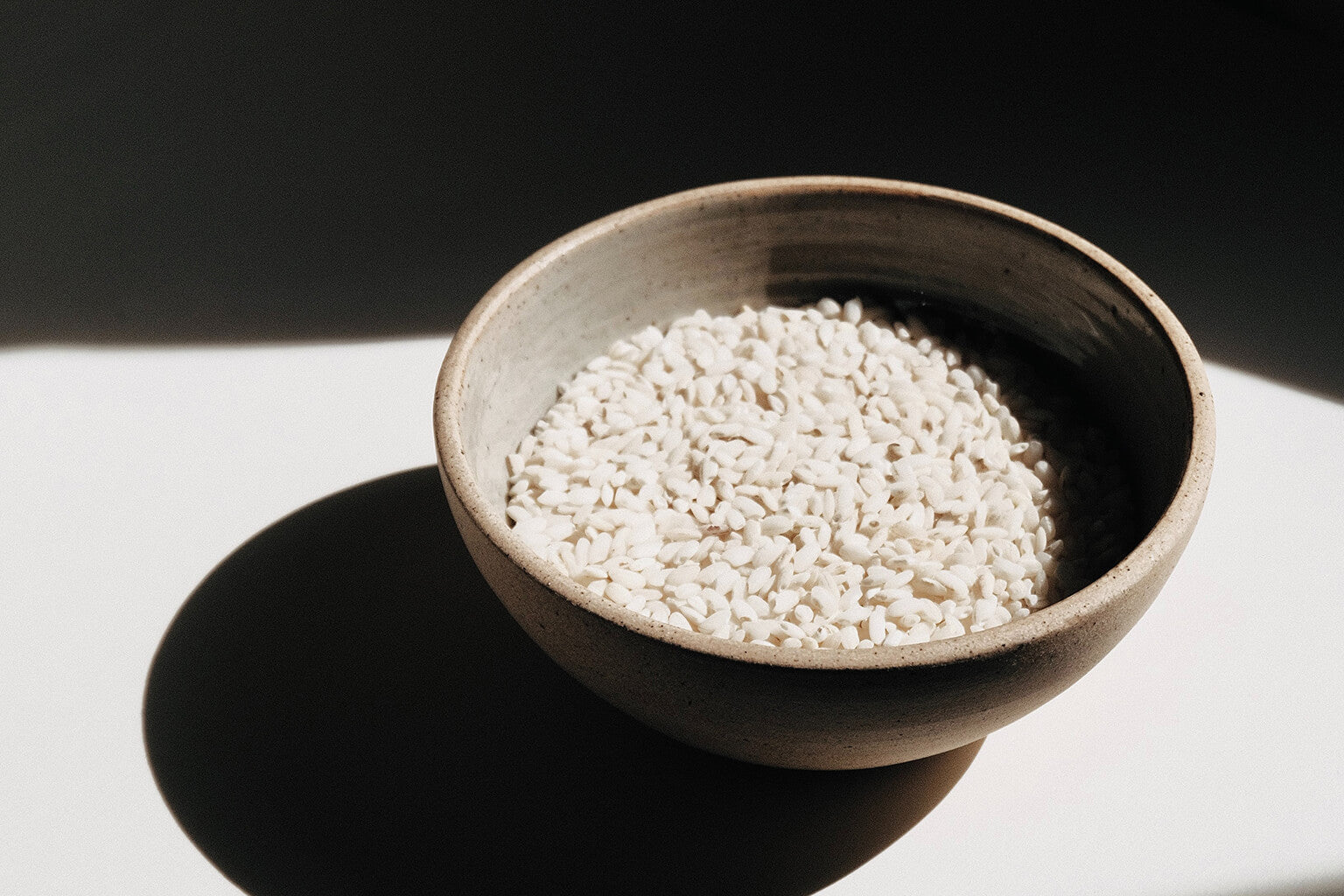
Can You Make Sake with Regular Table Rice?
Not all rice is suitable for brewing sake. Certain types of Japonica rice have special components that are used for brewing sake. The most important property is "shinpaku" which plays an important ...
Sake
Fact 3: Sake should Not Always be Preserved Like Wine
Saki Kimura, a Sake Sommelier/ Food Journalist based in San Francisco, writes a special series of articles "6 Facts that Are Misunderstood About Sake"

Sake
Fact 2: Sake is Not a Spirit
One of the most shocking sake experiences working as a sake sommelier in Tokyo was when I saw a visitor from overseas chugging a glass of sake. Surpris...
Sake
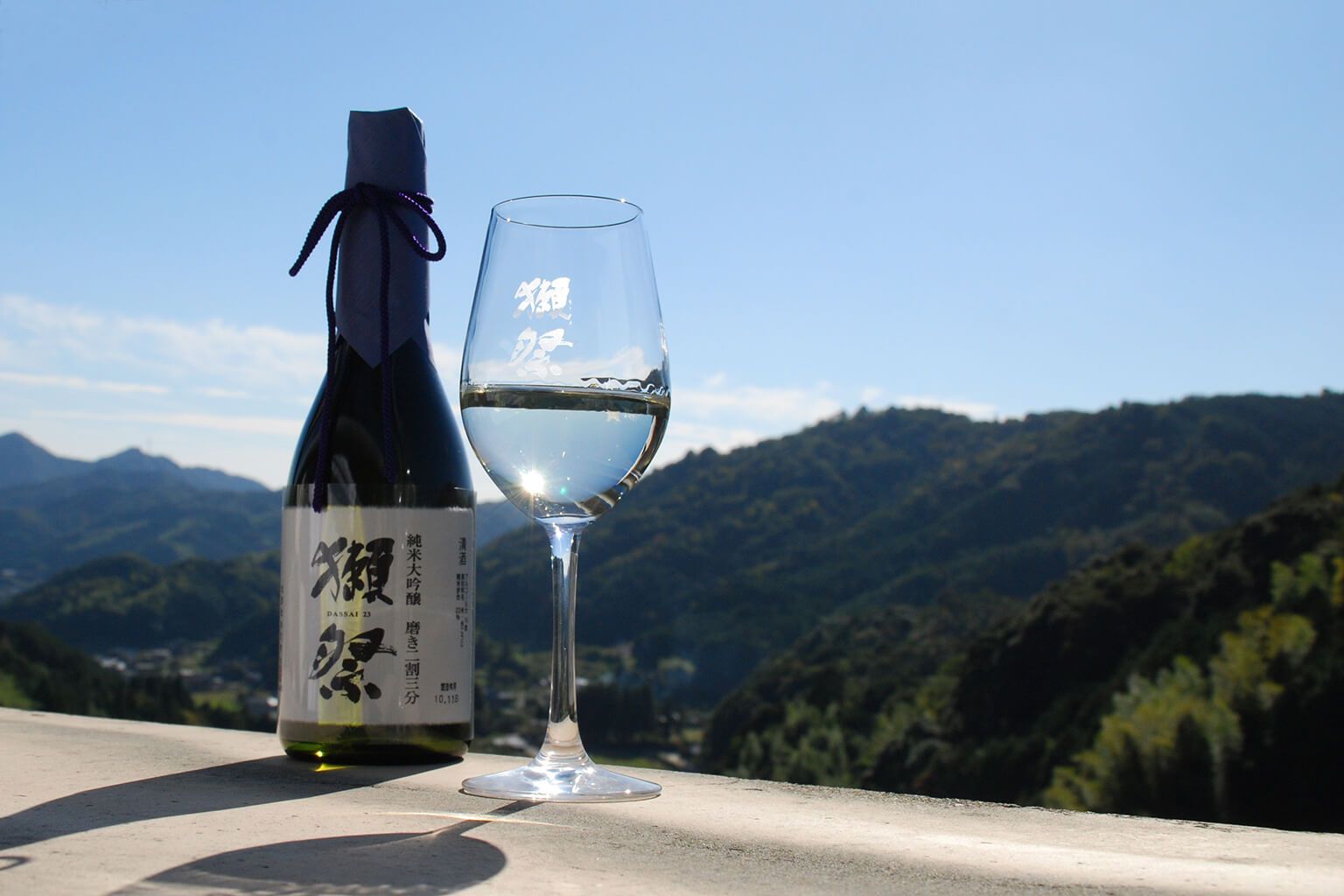
Why Is the Brand “Dassai” So Famous?
How did “Dassai” brand become so famous? See how a small brewery located in a distant town in Yamaguchi Prefecture innovated the sake industry.
Global...

Sake
What is Rice Polishing Ratio?
Seika studies "Japanese sake" at Niigata University in Japan, which is located at the center of sake production. She explains the basics of "Rice Polishing Ratio" and how that affects the overall q...
Sake
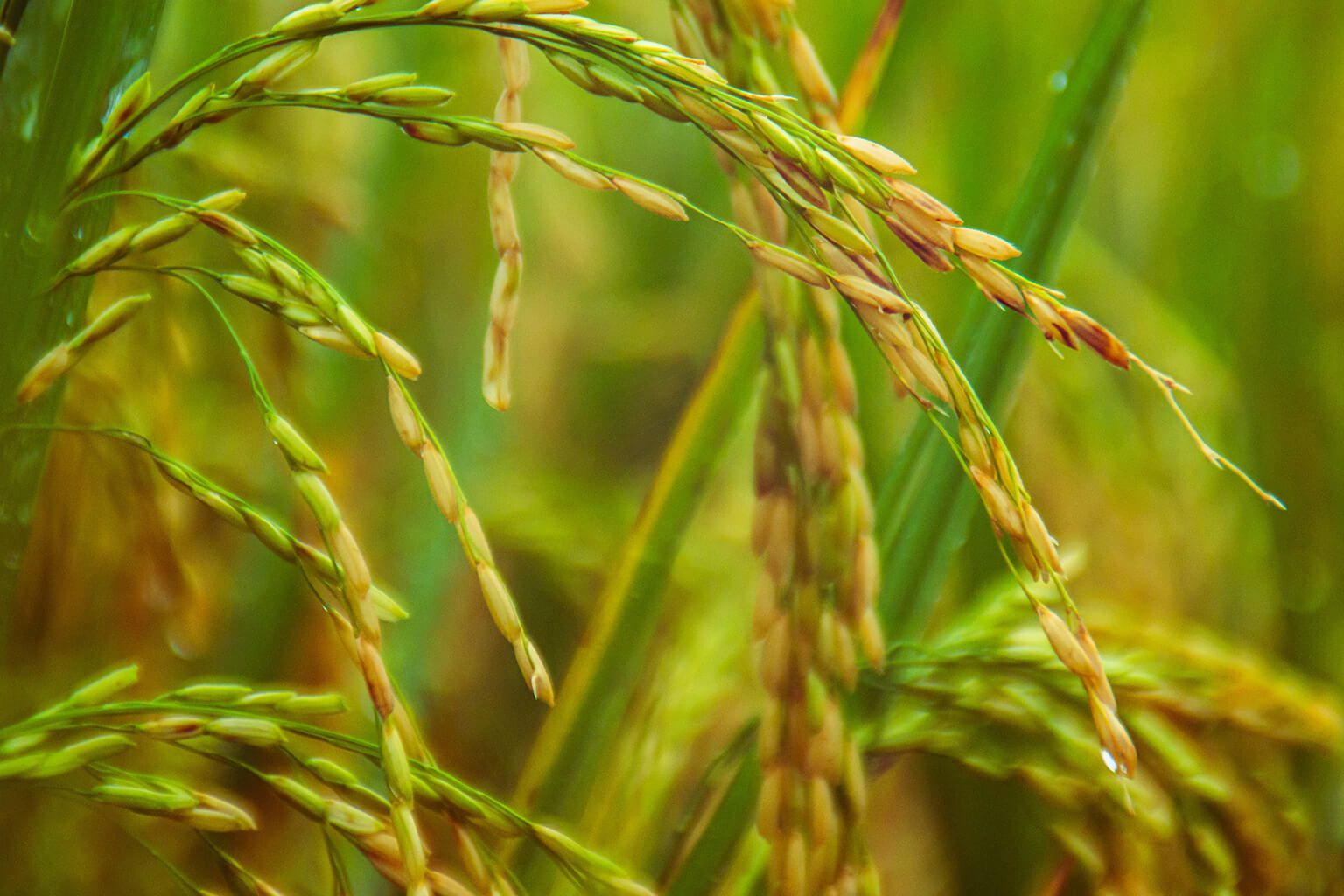
Fact 1: Sake is Made From Rice
Sake, Japanese traditional alcoholic drink, is mysterious and complicated. Its flavor can easily change depending on temperature, vessels and food. Tho...